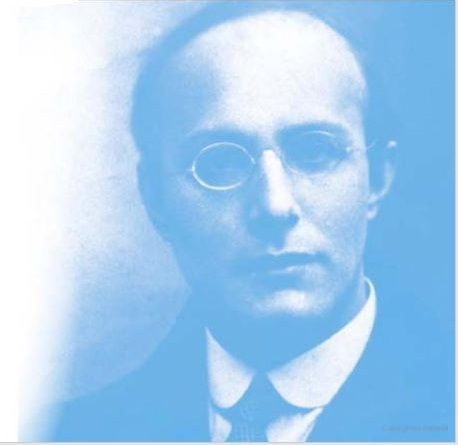
Erich Fromm’s insights in The Revolution of Hope, written almost 60 years ago, resonate today—probably surprisingly, or unfortunately not—with the same meaningfulness and a sound call for both actionable and intellectual optimism:
“Hope is paradoxical. It is neither passive waiting nor is it unrealistic forcing of circumstances that cannot occur… Neither tired reformism nor pseudo-radical adventurism is an expression of hope. To hope means to be ready at every moment for that which is not yet born, and yet not become desperate if there is no birth in our lifetime. There is no sense in hoping for that which already exists or for that which cannot be. Those whose hope is weak settle down for comfort or for violence; those whose hope is strong see and cherish all signs of new life and are ready every moment to help the birth of that which is ready to be born. (p. 9)
Progress in the direction of a social and cultural order in which man is in the saddle depends on our capacity to come to grips with our hopelessness. First of all, we have to see it. And second, we have to examine whether there is a real possibility of changing our social, economic, and cultural life in a new direction which will make it possible to hope again. If there is no such real possibility, then indeed hope is sheer foolishness. But if there is a real possibility, there can be hope, based on examination of new alternatives and options, and on concerted actions to bring about the realization of these new alternatives. (p. 25)
Fromm, Erich. 1968. The Revolution of Hope. Harper & Row.
***
While you enjoy and benefit from the ES/PE community’s contents and useful information, please consider making a donation to endorse and support our work. Your contribution will ensure the ES/PE community’s independence and sustain our mission. Donate safely now via this PayPal link. Thank you!
Discover more from Economic Sociology & Political Economy
Subscribe to get the latest posts sent to your email.
